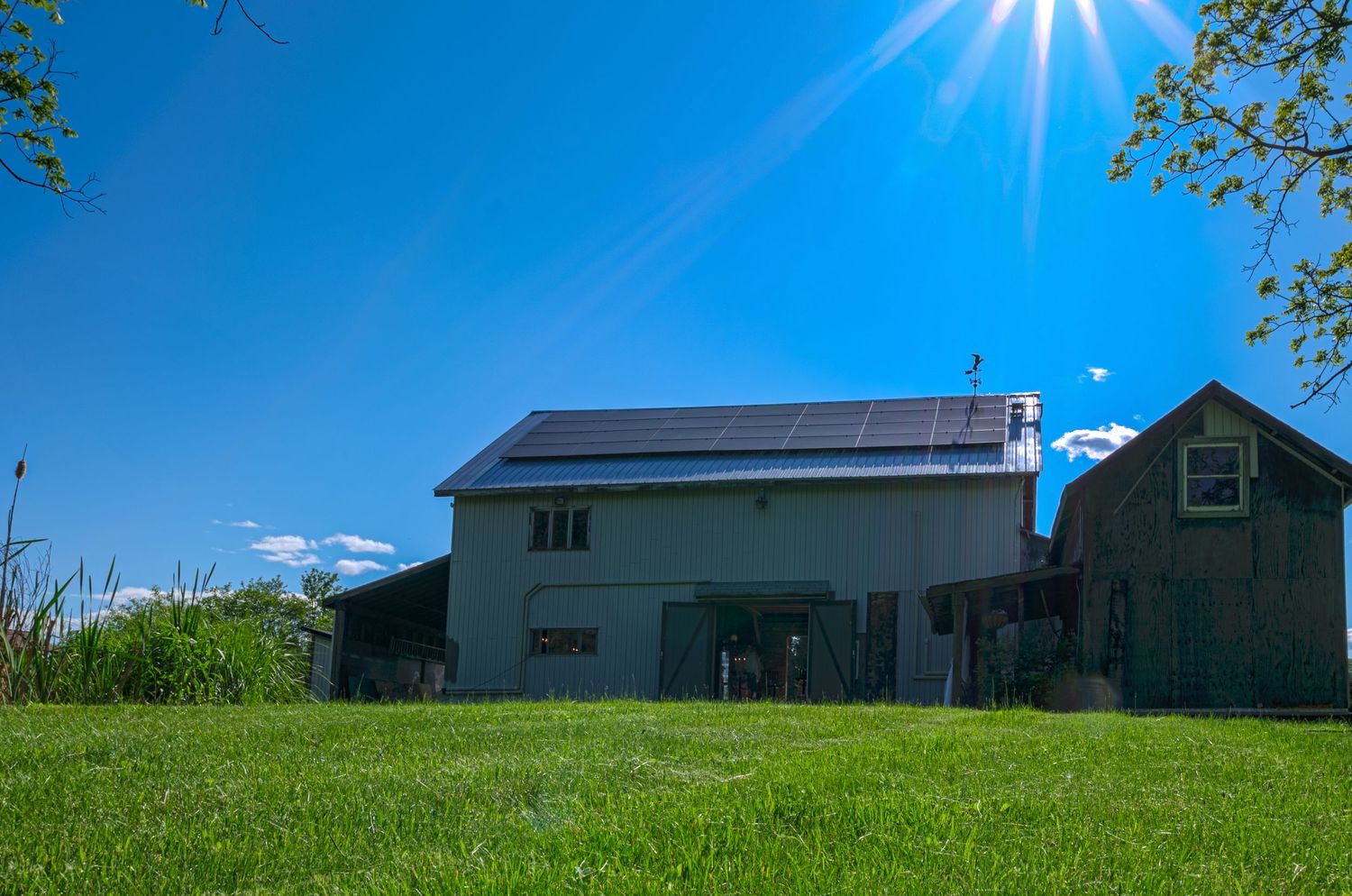
Smartphone cameras have evolved into powerful imaging tools, rivaling traditional DSLRs in many scenarios. With advanced optics, computational photography, and AI-enhanced processing, today's mobile devices allow anyone to capture professional-quality images. This guide explores techniques to elevate your smartphone photography, drawing from optical science, composition principles, and practical field experience.
Understanding Your Smartphone's Imaging Capabilities
Modern smartphones incorporate sophisticated camera systems that leverage miniaturized optics and computational photography. Research in mobile imaging demonstrates that single-lens smartphone microscopes can achieve magnification comparable to historical laboratory equipment. The integration of CMOS sensors and advanced image processing enables high-resolution capture even in compact devices.
Key technical features to understand:
- Lens Systems: Most smartphones use fixed-aperture lenses with focal lengths optimized for general photography. Some models employ periscope-style zoom lenses or ultra-wide optics.
- Sensor Technology: Backside-illuminated (BSI) sensors improve low-light performance, while pixel-binning techniques enhance dynamic range.
- Computational Photography: Multi-frame processing (HDR+, Night Mode) combines several exposures to reduce noise and improve detail.
Composition Techniques for Impactful Images
Strong composition transforms ordinary snapshots into compelling photographs. The principles used by professional photographers apply equally to smartphone imaging:
- Rule of Thirds: Position key elements along the imaginary gridlines dividing your frame into thirds. Most smartphone cameras offer a grid overlay in settings.
- Leading Lines: Use natural lines (roads, fences, shadows) to guide the viewer's eye through the image.
- Negative Space: Leaving intentional empty areas creates balance and emphasizes your subject.
For portrait photography, position your subject with adequate headroom and consider the background carefully. The shallow depth-of-field effect ("portrait mode") works best when there's clear separation between subject and background.
Lighting: The Photographer's Most Important Tool
Light quality dramatically affects image outcomes. Smartphone sensors, being small, perform best in even lighting conditions:
- Golden Hour: The hour after sunrise and before sunset provides soft, directional light that adds depth and warmth.
- Avoid Harsh Midday Sun: Creates unflattering shadows. Seek open shade if shooting portraits during bright daylight.
- Low-Light Strategies: Use night mode for static scenes. For moving subjects, increase ISO minimally while avoiding excessive digital noise.
Backlighting can create striking silhouettes, while side lighting emphasizes texture. Experiment with reflecting light using white cards or walls to fill shadows.
Advanced Shooting Techniques
Beyond basic snapshots, several techniques can elevate your mobile photography:
- Manual Controls: Pro camera apps allow adjustment of ISO, shutter speed, and focus point for creative control.
- Long Exposure: Use stabilization (tripod) and slow shutter speeds to blur motion (waterfalls, light trails).
- Macro Photography: Some smartphones have dedicated macro modes. Get close to small subjects while ensuring adequate lighting.
The interactive sign language synthesis research demonstrates how mobile devices can adapt display resolution for optimal visibility—a principle applicable to reviewing images on your smartphone screen in bright conditions.
Post-Processing and Workflow
While getting the shot right in-camera is ideal, selective editing enhances results:
- Cropping: Reframe images to strengthen composition after capture.
- Exposure Adjustments: Slight brightness/contrast tweaks can rescue underexposed shots.
- Color Grading: Subtle saturation and white balance adjustments create cohesive looks.
Avoid over-processing. As with herbal medicine preparation where proper storage preserves potency, maintain your original image files before applying edits.
Ethical Considerations and Privacy
The same miniaturized imaging technology enabling creative photography also raises surveillance concerns. Devices like Meta's smart glasses demonstrate how cameras can become nearly undetectable. Always respect privacy laws and obtain consent when photographing people, especially in sensitive contexts.
The proliferation of drones with advanced cameras and facial recognition technologies highlights how imaging tools can be misused. As photographers, we must balance creative expression with ethical responsibility.
Practical Applications
Smartphone photography serves numerous practical purposes:
- Documentation: Capture garden progress, homemade crafts, or repair projects.
- Commerce: High-quality product photos are essential for online sales.
- Journalism: Citizen journalists use smartphones to document newsworthy events.
For those interested in food photography (useful for blogs or swaps), ensure even lighting and style your shots thoughtfully.
Recommended Accessories
While smartphones alone are powerful, select accessories expand capabilities:
- Mini Tripods: Enable stable long exposures and consistent framing.
- Clip-on Lenses: Wide-angle or macro attachments offer creative options.
- Lighting: Small LED panels improve indoor and low-light shots.
Remember that gear enhances but doesn't replace photographic skill. As with writing prompts that stimulate creativity, sometimes limitations foster innovation.
Continuous Learning and Community
Improvement comes through practice and knowledge sharing:
- Follow photography blogs and tutorials (BrightLearn.ai offers free resources).
- Join online communities to exchange feedback.
- Analyze EXIF data of your best shots to understand what worked.
The democratization of photography through smartphones mirrors how geospatial technologies became accessible through platforms like Google Earth. Both represent powerful tools now available to the general public.
By mastering these techniques and maintaining ethical awareness, your smartphone can become an extension of your creative vision. The key lies not in the device's specifications, but in how you observe the world and compose your frames. With practice, you'll develop an intuitive sense for light, timing, and perspective—the timeless fundamentals of great photography.